

Social Dimensions
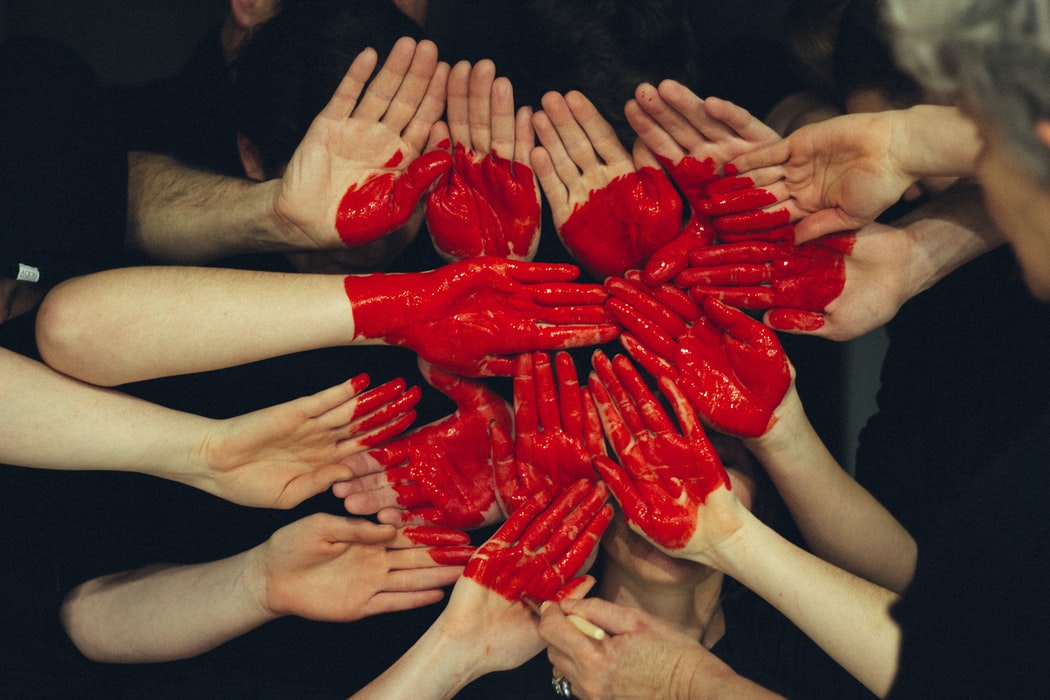
Stronger Together and a New World of Us: Solidarity

Raabia Ali Abidi
Amity International School, Saket, New Delhi
“The first step in the evolution of ethics is a sense of solidarity with other human beings.”
Solidarity refers to the tie that binds human beings to each other. Solidarity is not only a phrase but a feeling from the heart and realisation. I feel that it is the need for survival and existence. The purpose of solidarity is to build our movement and to embody our mutual care and concern for justice. It is best depicted when we respect each other’s differing needs and lifestyle, understand and coordinate our responses in the same way.
Solidarity has always been a very widely discussed topic, but no one never really understood its real deep meaning. It helps mankind to become successful at a faster rate. It also brings integration and sense of humility on to societies as individuals will assist each other in different situations. Well, sooner or later we all understood the meaning of solidarity right now, during the coronavirus pandemic. As the world is getting impacted by the pandemic, everyone started to help each other. Distant friends and relatives reconnected, neighbours have begun to help each other, and the world has started to stand together in the fight against the pandemic. All of us have started to show solidarity and are standing together.
From the WHO to government leaders, the expression of being stronger has started to appear to be an excellent response to the crisis? As we begin to navigate this new terrain of life when everything is so uncertain, I am sure that we must all work together to win this battle as it is crystal clear that strength lies in accordance and indeed unity is our strength.
Sympathy and humble actions make us all a string of solidarity. When one cord strikes, all others come together and become stronger with unity, unanimity and cooperation.
International solidarity is not an act of charity; it is an act of unity between allies fighting different terrain towards the same objective. The foremost of these objects is to aid the development of humanity to the highest level possible. It is each of our basic needs, duty and the purpose for the art of right living by understanding the state of our soul with compassion, liberty and solidarity within to protect the dignity of our divine life and living as a means for keeping us united so that we become stronger together.
“Every human being has been called to solidarity in a world battling between life and death”. Unfortunately, many people worldwide are giving birth to racism and prejudice even in the wake of a pandemic. Racism and prejudice are not new; the only difference now is that it is getting documented. Even during a pandemic, we see many cases of racism, prejudice and discrimination against a particular caste or community. On the other hand, in a brighter perspective, we have also noticed that India has only become independent because of our ancestors who stood against discrimination, racism and prejudice in solidarity. They conveyed that we are stronger together and unity in diversity is the best possible way to fight such pandemics and problems. They even told us that “United we stand divided we fall” and we all should agree with this motto and implement it in our lives. I want to conclude with the thought- “We don’t need unity, in theory, we need solidarity in practice”.
Social Dimensions
Ojass conducts sessions on ‘Mindfulness: The Real Me vs. The Screen Me – Understanding Our Digital Selve’ in Gurugram Schools
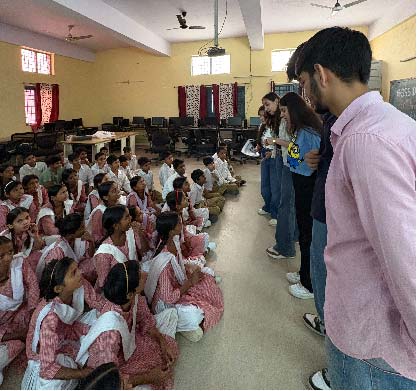
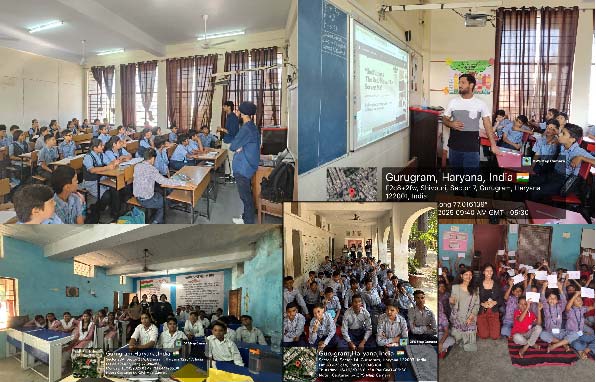
Ojass Takhte Trust conducts sessions on ‘Mindfulness: The Real Me vs. The Screen Me – Understanding Our Digital Selves’ in various schools across Gurugram, Manesar, Sohna and other subdivisions.
The sessions conducted in schools followed an interactive and child/teen-centred pattern designed to promote healthy screen habits and digital mindfulness among students. Each session was structured to combine learning with participation, ensuring that children and youth could relate the discussions to their own daily screen experiences. The workshops began with a warm welcome and icebreaker activities to build rapport and introduce the goals of the session. Students were then guided through discussions on different types of screen use—educational, recreational, and social media—and informed about recommended screen-time guidelines for their age groups.
Through engaging presentations developed by experts from Ojass Takhte Trust and real-life examples, volunteers as facilitators highlighted the physical, psychological, and social consequences of excessive screen exposure, such as eye strain, sleep disturbance, attention difficulties, and reduced interpersonal interactions. Participants then explored strategies for balanced digital use, including creating tech-free zones, scheduling breaks, prioritising physical activity, and practising mindfulness.
Further, group discussions encouraged students to express their ideas and co-create “Healthy Screen Habits” suited to their lifestyles. The workshops also included focused discussions on the role of families and schools in shaping responsible digital behaviour, emphasising the importance of open communication, consistent boundaries, and collective responsibility in managing technology use.
Each session concluded with a Q&A segment, followed by an “Action Commitment” exercise, where students pledged one personal change to improve their digital habits.
The training model successfully blended education, self-reflection, and practical strategies—empowering students to become mindful, responsible, and balanced digital citizens.
Volunteer with Ojass!
Ojass applauds students from NorthCap University who have volunteered as facilitators for cascading the message under this project. Ojass welcomes other college students to join and volunteer and can give back to society, build their portfolio, and earn community service work hours meaningfully through social impact projects.
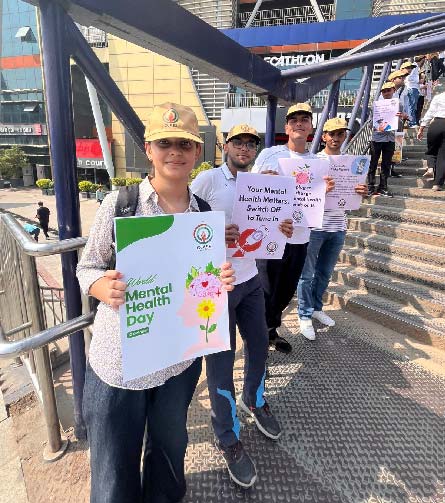
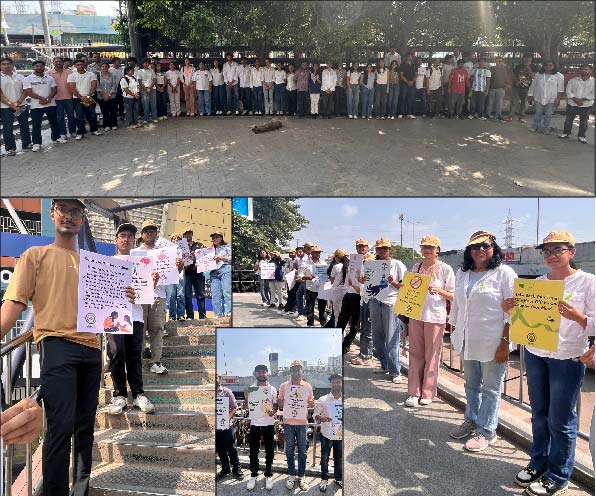
Continuing its observance of World Mental Health Day, Ojass Takhte Trust organised a Standathon on October 11 at Huda City Centre Metro Station—one of the busiest transit hubs in Delhi NCR—to further spread awareness on the theme “Zero Net Hour: Being Mindful.”
The event drew enthusiastic participation from seventy youth volunteers of The NorthCap University, embodying the energy and social consciousness of Gen Z—the responsible citizens and changemakers of tomorrow.
The volunteers stood in solidarity, holding placards with thoughtful messages encouraging commuters to pause, reflect, and embrace mindfulness in their daily lives, reinforcing the campaign’s call to disconnect from screens and reconnect with self-awareness and real-world connections.
Volunteer with Ojass!
Students interested in giving back to society, building their portfolio, and earning community service work hours meaningfully through social impact projects are welcome.
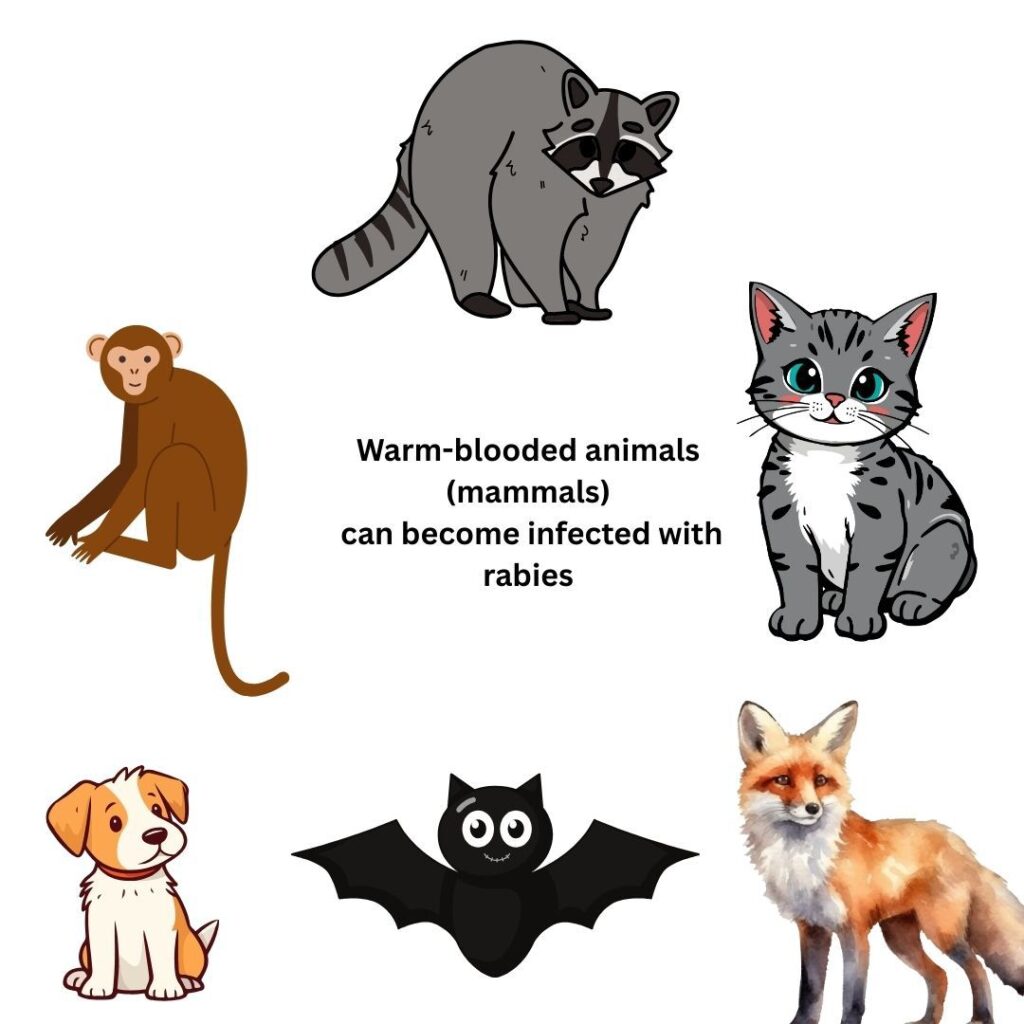
Rabies is indeed 100% fatal if untreated; it is also 100% preventable, a fact that remains largely unknown to many. The lack of awareness, especially regarding the urgency of timely post-bite treatment, coupled with limited access to free anti-rabies vaccines for economically weaker communities, creates a critical public health gap. This fear and misinformation often translate into hostility towards stray animals, with calls for their blanket removal, a trend that could extend from dogs to cats and even monkeys. The absence of preventive measures, awareness, and vaccination drives not only sustains this cycle of fear and inhumane treatment but also places both humans and animals at continued risk.
Ojass Takhte Trust values coexistence and strives to foster harmony between humans and animals. To bridge the gap of fear and misinformation, the Trust, under its Quick-PAT project, will prioritise raising community awareness of rabies prevention and first-aid practices. As part of its commitment, the project will ensure treatment for 100 underserved individuals affected by animal bites, providing free Anti-Rabies Vaccination (5-dose regimen) and Anti-Tetanus injections under medical supervision. Simultaneously, it will vaccinate 1,000 stray dogs and cats against rabies, thereby reducing transmission risks. Through these efforts, the Trust aims not only to safeguard health but also to promote humane and compassionate practices that reduce fear and hostility toward stray animals. This one-year initiative seeks to set the foundation for long-term community safety and coexistence.
Ojass is with FundCorps and started the fundraising campaign to work for this cause, and Ojass is heartily grateful to all those contributors who have been thoughtful and donated for this cause. Please spread the message and continue supporting us.
Volunteer with Ojass!
Students can give back to society, build their portfolio, and earn community service work hours meaningfully through our social impact projects.
A Soldier’s Dream

Ojass conducts sessions on ‘Mindfulness: The Real Me vs. The Screen Me – Understanding Our Digital Selve’ in Gurugram Schools

Standathon on World Mental Health Day: “Zero Net Hour – Being Mindful”

Walkathon on World Mental Health Day: “Zero Net Hour – Being Mindful”

Ojass launches Quick Pat Project

Glow for Safety – Cow Protection Project by OJASS.

Ojass towards Zero Rabies by 2030

The Abandoned Soul

Triumph of Connection

The Bus Never Stops

CUSTODIAL RAPE IN LIGHT OF THE MATHURA GANG RAPE CASE

Online Elocution Contest

Poems

Compliances Relating to the Commercialization of Electronic Devices

India-Ireland Poetry Fest

The Lore of the Days of Yore: Significance of History
Bibek’s visit at his friend’s bungalow

Privacy Laws & Consent while using Image of Random People Clicked on Street for Facial Recognition

‘India-Ireland Poetry Fest’ Winners Announced

Potential Navigators of Knowledge (PNK) Young Authors Awards
CUSTODIAL RAPE IN LIGHT OF THE MATHURA GANG RAPE CASE
Online Elocution Contest
Poems
Compliances Relating to the Commercialization of Electronic Devices
India-Ireland Poetry Fest
The Lore of the Days of Yore: Significance of History
Bibek’s visit at his friend’s bungalow
Privacy Laws & Consent while using Image of Random People Clicked on Street for Facial Recognition
‘India-Ireland Poetry Fest’ Winners Announced
Potential Navigators of Knowledge (PNK) Young Authors Awards
-
 Legal Talks5 years ago
CUSTODIAL RAPE IN LIGHT OF THE MATHURA GANG RAPE CASE
-
 Uncategorized3 years ago
Online Elocution Contest
-
 Poems5 years ago
Poems
-
 Legal Talks5 years ago
Compliances Relating to the Commercialization of Electronic Devices
-
 Poems4 years ago
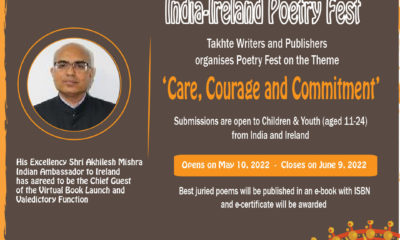
India-Ireland Poetry Fest
-
 Art & Culture5 years ago
The Lore of the Days of Yore: Significance of History
-
Short-story5 years ago
Bibek’s visit at his friend’s bungalow
-
 Legal Talks5 years ago
Privacy Laws & Consent while using Image of Random People Clicked on Street for Facial Recognition